RePeat: Restoring Peatland, Supporting Farming and Creating Renewable Energy
A pioneering sustainability partnership between Flogas Britain and Pollybell Farm
The RePeat Project is exploring how peatland restoration, productive farming and renewable energy can work together. Led by Flogas Britain and Pollybell Farm, RePeat is trialling a practical new approach to reducing emissions from drained peatland while keeping farmland in productive use.
At its heart, RePeat asks a simple question:
Can peatland restoration become commercially viable for farmers while also helping reduce carbon emissions?
The project aims to prove that it can.
Why RePeat Matters?
The farming challenge at Pollybell Farm
Pollybell Farm is a family-owned organic farming business with more than 120 years of experience. Spanning approximately 5,000 acres across Nottinghamshire, Lincolnshire and South Yorkshire, the farm produces cereals and vegetables for retail, wholesale and processing markets.
The business is rooted in the belief that food production and land stewardship must go hand in hand. Pollybell has a long-term focus on improving soil, protecting the environment and farming responsibly for future generations.
However, the farm’s own calculations show that peat is responsible for around 90% of its total carbon emissions.
That made peatland restoration a priority – but also raised a practical question: how can the farm reduce emissions while continuing to produce crops and protect livelihoods?
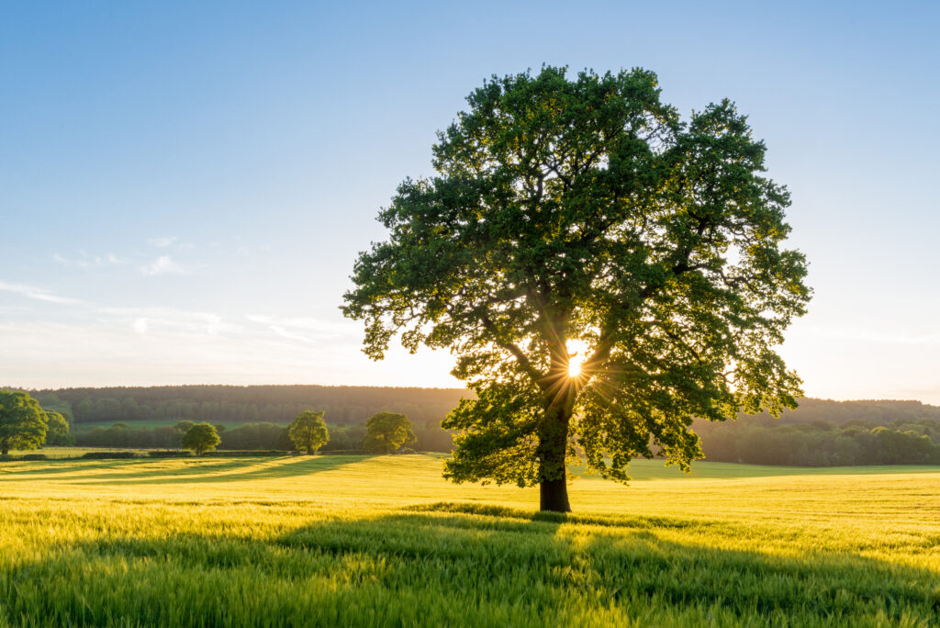
How the RePeat process works:
Paludiculture: farming crops that thrive in wet conditions
Instead of abandoning restored peatland, RePeat explores how it can be used differently. In this project, wetland crops – primarily willow – are grown and harvested on rewetted land.
This approach helps address one of the biggest concerns around peatland restoration: that restoring land means losing production, reducing farm income and putting rural jobs at risk.
RePeat is designed to show that restored peatland can still be productive. It simply requires a different farming model.
From willow to renewable energy
Once harvested, the willow is chipped and processed through pyrolysis, a low-oxygen heating process that converts biomass into useful outputs.
The process creates three key outputs:
A practical model for sustainable agriculture
RePeat is not just a fuel project. It is not just a farming project. And it is not just a peatland restoration project.
It brings these elements together into one practical system:
- Rewet peatland to reduce emissions
- Grow wetland crops through paludiculture
- Harvest willow as a renewable biomass crop
- Use pyrolysis to create gas, heat and biochar
- Convert gas into rDME for lower-carbon energy
- Reuse heat on site for greenhouse growing
- Return biochar to soil to lock away carbon and improve soil health
This is what makes RePeat significant. It explores a model where environmental responsibility, productive land use and energy innovation can coexist.
Supporting the future of lower-carbon off-grid energy
For Flogas Britain, RePeat supports the wider transition toward lower-carbon energy solutions for off-grid homes, businesses and industry.
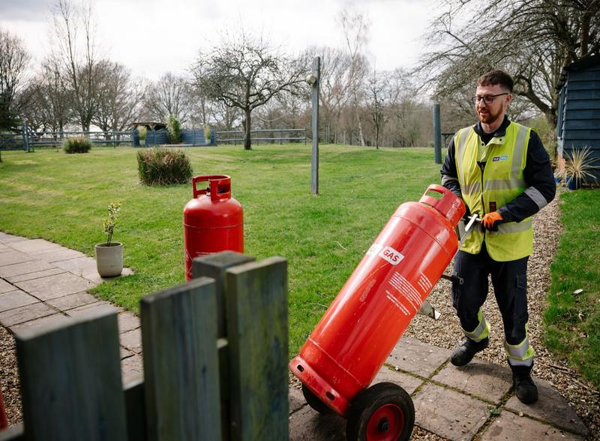
Many rural homes and businesses rely on LPG because they are not connected to the mains gas grid. Renewable fuels such as rDME and BioLPG could play an important role in helping these customers reduce emissions while continuing to use familiar, reliable energy systems. RePeat is helping test how those renewable fuels could be produced through a more circular and sustainable supply chain.
Recognition for innovation
Following the British Renewable Energy Awards shortlist announcement, RePeat is gaining recognition as an example of practical sustainability innovation.
The project stands out because it is grounded in real-world challenges. It recognises that climate action must work for farmers, rural communities and energy customers – not just in theory, but commercially and operationally.
As Ivan Trevor, Managing Director of Flogas Britain, said in support of the project, RePeat reflects the kind of practical, collaborative innovation needed to help environmental responsibility, productive land use and energy innovation work together.
Built through collaboration
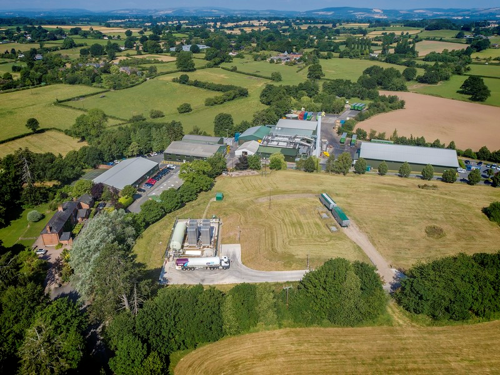
RePeat brings together expertise from farming, energy, research and innovation.
Project partners include:
- Flogas Britain
- Pollybell Farm
- The University of Lincoln
- with support connected to wider DEFRA and DESNZ-backed innovation initiatives
This collaborative approach is central to the project’s credibility. RePeat is designed to test what works in practice, learn from the results and explore whether the model could be scaled in future.
The RePeat vision
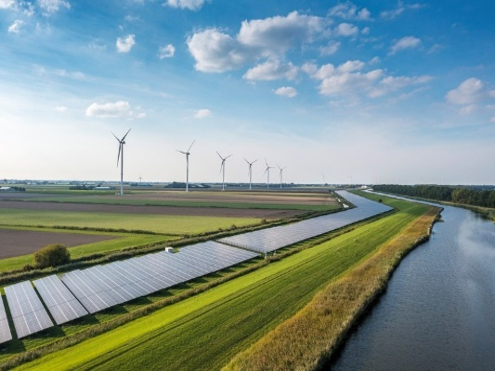
The long-term ambition of RePeat is to help make peatland restoration commercially viable for farmers while supporting lower-carbon energy production.
The project is still an innovation trial, but its potential is significant.
If successful, RePeat could help demonstrate a new model for:
- Sustainable farming on rewetted peatland
- Renewable fuel production from wetland crops
- Carbon capture through biochar
- Circular energy use on farms
- Lower-carbon off-grid energy supply
- More sustainable land management
RePeat is a practical response to a complex challenge – one that shows sustainability does not have to mean choosing between farming, energy and the environment.
It can mean redesigning the system so they work together.
FAQs
What is the RePeat Project?
The RePeat Project is a sustainability innovation project between Flogas Britain and Pollybell Farm. It explores how rewetted peatland can remain productive by growing wetland crops such as willow, which can then be converted into renewable energy outputs including rDME, heat and biochar.
Why is peatland restoration important?
Wet peatland stores carbon. Drained peatland releases carbon into the atmosphere. Restoring peatland by rewetting it can reduce emissions and help support climate goals.
What is paludiculture?
Paludiculture is the practice of farming crops that grow well in wet conditions. In the RePeat Project, this includes growing willow on rewetted peatland.
What is rDME?
rDME stands for renewable dimethyl ether. It is a renewable fuel that can be used in similar applications to LPG and can support lower-carbon energy for off-grid homes, businesses and industry.
What is biochar?
Biochar is a stable form of carbon created through pyrolysis. It can be returned to soil to help store carbon, improve soil structure, retain nutrients and support soil health.
Why is RePeat innovative?
RePeat is innovative because it combines peatland restoration, sustainable farming, renewable fuel production, heat reuse and biochar-based carbon capture in one circular system.